What’s Happening in Babies’ Brains During Music Experiences?
Guest post by Music Together and Music Together of Portland
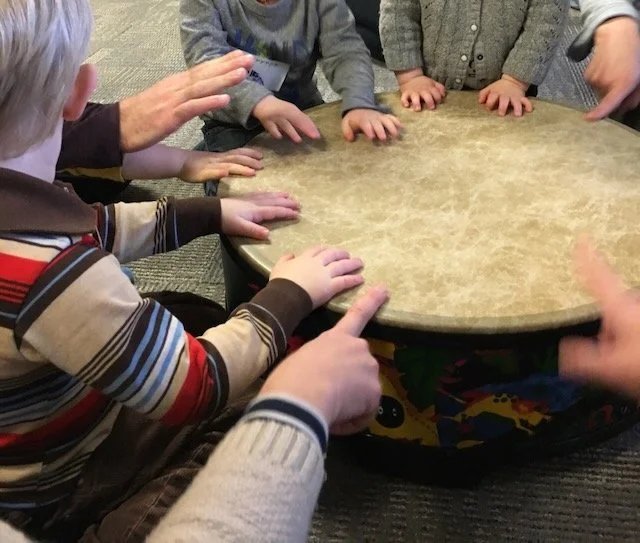
Photo credit: Brita Johnson
Early childhood is a remarkable time in human development, in which children’s brains, bodies, and abilities are growing more rapidly than at any other time. It’s also a time when our littlest humans are forming their most significant life-long relationships; they’re learning the sense of love and belonging that comes with being in family and community, and how to connect and communicate with their world.
The Research Base
More and more, evidence shows that very young brains are busy forming the neural pathways that will serve them for a lifetime of thought, learning, communication, and belonging. Research is also showing more and more what humans have understood at some level through the ages--that music is a powerful force in nurturing whole child development.
Connection and Brain Development
When you sing, bounce, dance, and play with music, in a music class or at home, at least eight areas of baby’s brain are activated at the same time. Enjoying music with their caregivers stimulates the growth of neural connections in babies, engages language development mechanisms, and strengthens the infant-caregiver attachment relationship, adds essential building blocks for lifelong emotional connection and self-regulation.
Learn More and Get Singing!
Read more about the benefits of music for young children from our friends at Music Together, and see their many options for fun and engaging classesin the Portland-Metro area.