by Tamarra Ragland, Certified Postpartum Doula
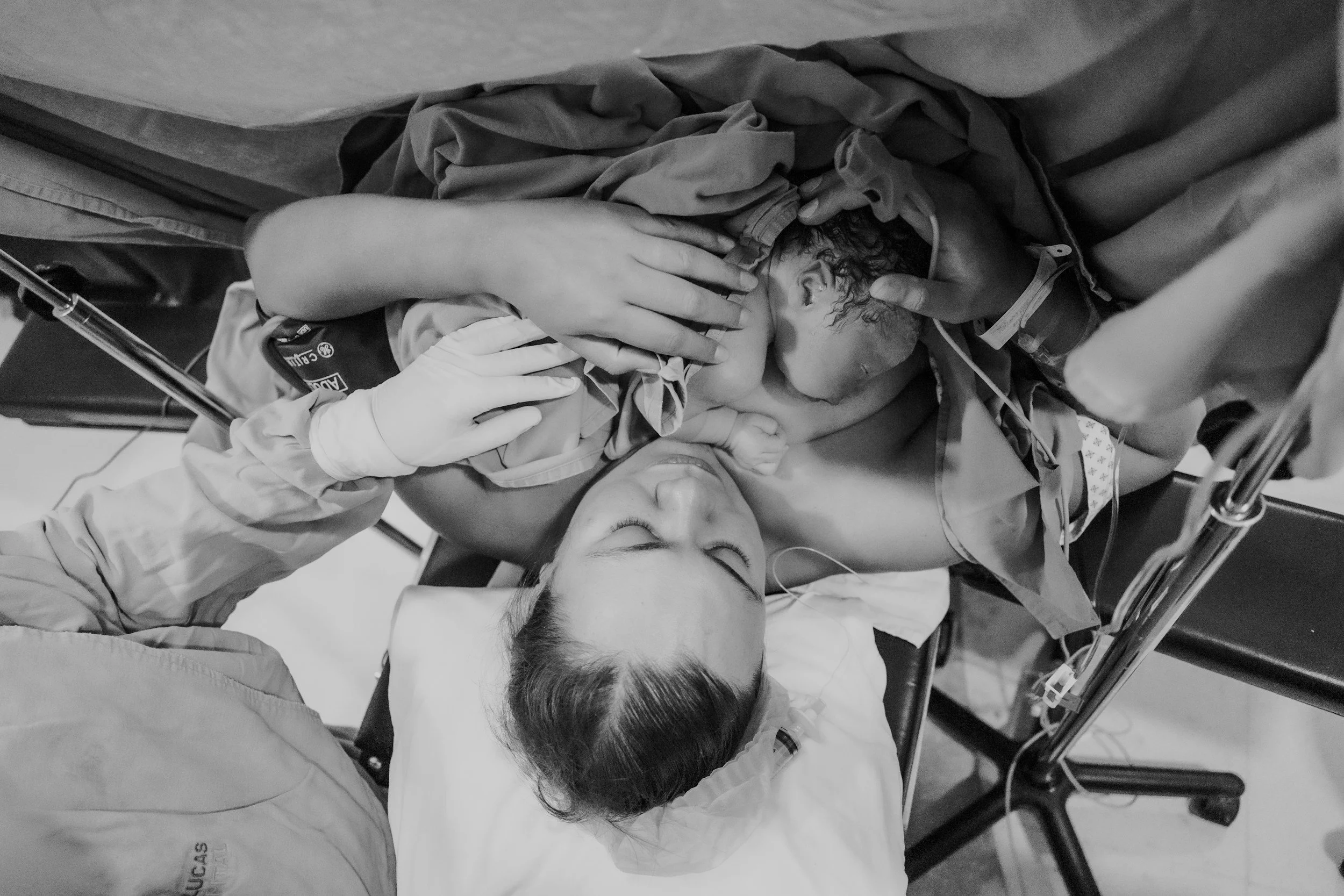
April is Cesarean Awareness Month and a time to bring a little more compassion, a lot more education, and much-needed visibility to the cesarean birth experience. In Oregon, nearly 30% of births occur via cesarean (Oregon Health Authority, 2023). That’s nearly one in three families navigating a path that, frankly, many feel unprepared for until they’re right in the middle of it.
Whether your C-section is planned or comes as a total surprise, it usually brings up a whirlwind of questions about recovery and emotional wellbeing. This month is about normalizing those stories, stripping away the stigma, and supporting those who may feel they missed out on a “real” birth experience.
What Is Cesarean Awareness Month?
At its core, this month is about validation. It’s dedicated to ensuring families have the resources they deserve and creating space for honest conversations. For many, it’s about healing the emotional gap that can happen when a birth plan takes an unexpected turn.
Understanding the Procedure
A cesarean birth (C-section) is a surgical procedure where a baby is delivered through incisions in the abdomen and uterus (ACOG, 2021). While they can be planned for medical reasons or fetal positioning, many C-sections happen in the heat of labor when complications arise.
The most important thing to remember: Every C-section is a birth, and every birth is valid.
Creating a "Connected" Cesarean
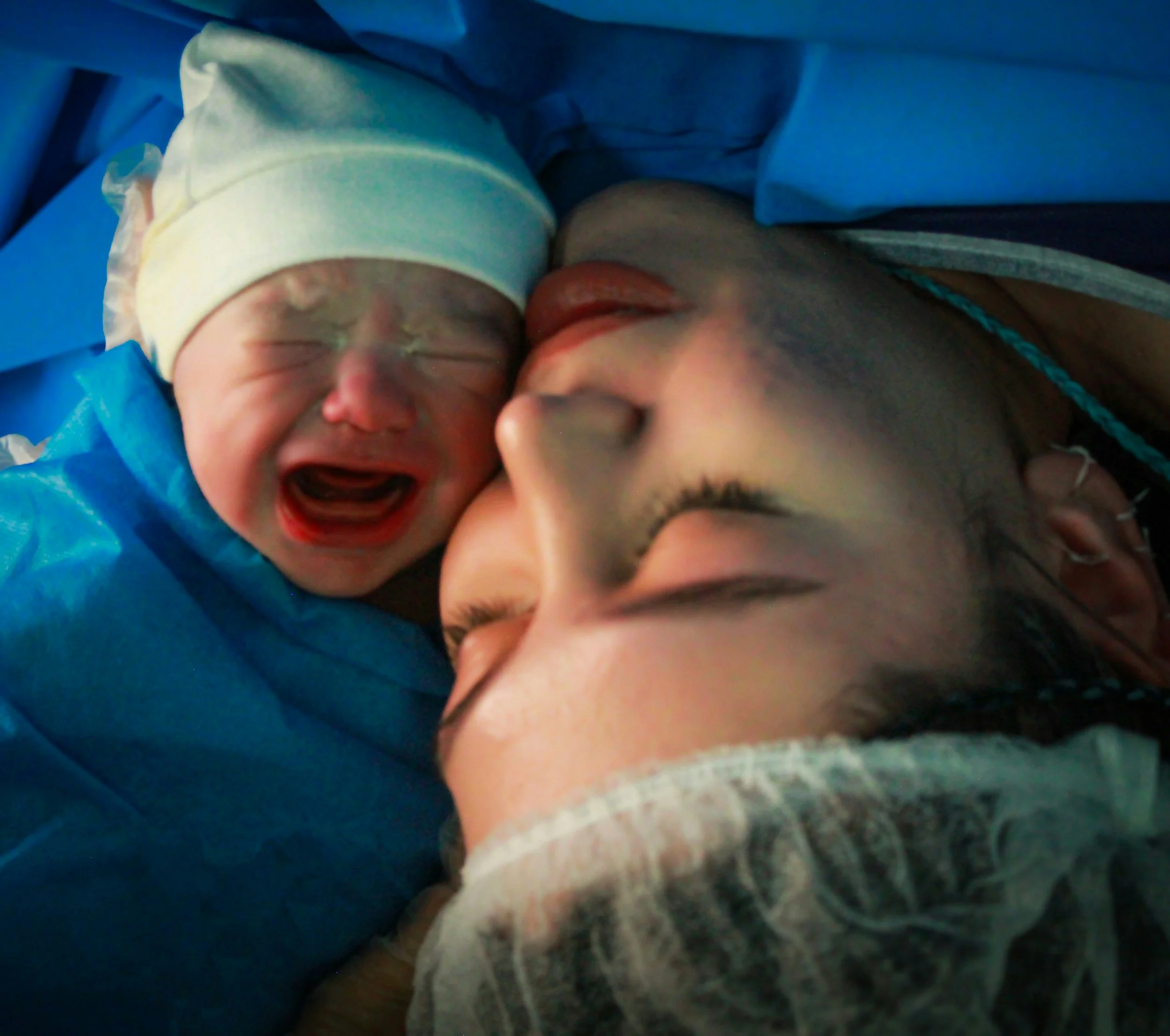
Even in a sterile operating room, you can still have a voice. Many hospitals now support what’s known as a gentle cesarean, which prioritizes the human side of the surgery.
Things you might want to advocate for:
Immediate skin-to-skin: If you and the baby are stable, there’s often no reason you can’t snuggle right away.
The "vibe" of the room: Ask if you can play a specific playlist or if the lights can be dimmed slightly.
Partner involvement: Ensure your support person is right by your head, narrating the moment if you want them to.
Early skin-to-skin and breastfeeding support aren't just "nice to haves"—they’ve been shown to significantly improve bonding and long-term feeding outcomes (WHO, 2018). A cesarean birth experience can often be shaped in a way that accommodates this strong start.
The Reality of Recovery: What No One Tells You
Recovery is often the most overlooked part of the process. You aren't just recovering from birth - you’re recovering from major abdominal surgery while also caring for a newborn.
Physical Healing: while the healing period is generally defined as taking place over an initial 6–8 week window, feeling like yourself often takes much longer (ACOG, 2021). Expect pain, fatigue, and the frustration of not being able to sit up or lift things easily at first.
The Emotional Shift: It’s okay to feel a mix of gratitude and grief. If your C-section was unexpected, you might face a higher risk of postpartum mood challenges (Declercq et al., 2017). Your feelings aren't wrong, ungrateful, or uncommon—they’re part of your process.
Debunking the Myths
"It’s the easy way out." Anyone who has tried to sneeze three days after a C-section knows this is a lie. It is a grueling recovery.
"It’s not a real birth." Your baby entered the world, and you went through an incredible physical feat to get them here. That is a birth.
"You don't have control." You are still the patient and the parent. You can always ask questions and express preferences.
How to Actually Help Someone Recovering
If you know someone who just had a C-section, skip the "let me know if you need anything" text. Instead, try these:
Drop off a meal that can be eaten with one hand.
Handle the "up and down" tasks: Do the laundry, load the dishwasher, or pick up the toddler.
Validate them. Tell them they did a great job. Avoid saying things like, "at least the baby is healthy"—it minimizes the physical and emotional toll they just experienced.
The Role of a Doula
As a doula, I’ve seen firsthand how much a support system changes the game.
Birth doulas help you navigate the hospital system, translate medical jargon in real-time, and keep you grounded if a planned vaginal birth shifts toward the OR.
Postpartum doulas are the "magic ingredient" for C-section recovery. We handle the light housework and newborn care–and provide emotional support–so you can actually rest and focus on healing.
Lactation consultants support families to build skills and confidence through the ups and downs of infant feeding, and can be especially helpful in adapting feeding to the reality of C-section recovery.
Final Thoughts
As both a doula and a mother who has had a cesarean, I know the weight of this experience. If you’re in the Portland area and feeling overwhelmed, please know there is a community here ready to walk with you.
You don’t have to do this alone.
Helpful Resources
Tamarra Ragland is a Certified Postpartum Doula with Bridgetown Baby, Traditional Health Worker, and mom who is passionate about supporting families through the joy and overwhelm of the postpartum period. Her approach is shaped by listening, calm presence, and trust in the innate wisdom that every parent holds.
